Since its launch in 2023, Autotech Connect has been on a mission to reshape how mobility industries adopt and integrate technology. As the fourth division of the Autotech Group, the brand was established to support the automotive aftermarket through digital transformation – bringing tools, training, and innovation to a sector often seen as lagging behind in tech adoption.
Two years on, Autotech Connect is not only helping to future-proof the automotive industry but is making waves across other critical sectors including emergency services, fleet, marine, and aerospace. At the heart of this transformation is a suite of cutting-edge solutions – led by Assisted Reality headsets – that are addressing skills shortages, improving operational efficiency, and creating more inclusive, accessible workplaces.
To mark this milestone, Darren Dowling, Client Services Director at Autotech Connect, reflects on the journey so far, the breakthroughs made, and the exciting road ahead.
Q: It’s been two years since the launch of Autotech Connect. What was the initial vision for the brand, and how has that evolved?
Darren: When Autotech Connect was launched as the fourth brand of Autotech Group, the aim was twofold: to help the aftermarket adapt to digital transformation and to provide guidance on the emerging risk of cybercrime. While cybersecurity remains part of our offer – especially important as connected and software-defined vehicles become the norm – our primary focus has shifted to digital transformation. We are equipping businesses with the tools and technology to thrive in a rapidly changing mobility landscape. This includes the integration of Assisted Reality (AR) headsets and software solutions that are revolutionising how skills are utilised and retained.
Q: How are Assisted Reality headsets transforming operations?
Darren: They’re a game-changer. These headsets allow technicians to work hands-free while receiving real-time guidance from remote experts. We’re seeing a drastic reduction in Vehicle Off Road (VOR) time – up to 93% in some trials with OEMs. The technology not only enhances repair accuracy and speed but also enables upskilling in the moment, fostering technician confidence and competence.
We’re also using this technology to retain ageing skills within the industry. Master technicians, who might be nearing retirement, are now able to continue supporting the next generation remotely, even from their own homes. It’s a smart, sustainable way to preserve critical expertise while nurturing younger talent.
And we’re just scratching the surface. One of the most exciting developments is instant, voice-activated access to technical documents. Technicians will soon be able to request vehicle manuals, wiring diagrams, or service histories simply by speaking into their headset – without ever leaving the vehicle. Gone are the days of stepping away to consult a desktop. It’s no longer just information at your fingertips – it’s information on command. That kind of seamless integration saves time, cuts downtime, and keeps the technician focused on the job, not the admin.
Q: You mentioned upskilling. How is technology contributing to workforce retention?
Darren: In every way. Today’s technicians, especially the younger generation, expect progression and purpose. Our AR solutions, bolstered with AI-driven software, support neurodiverse individuals and those for whom English is not a first language. This includes features like voice-to-text for documenting repairs, voice-activated commands to access vehicle data, and transcription tools that reduce admin burdens. It means technicians can focus on what they do best, which boosts satisfaction and retention across workshops, colleges, and businesses.
Q: The automotive aftermarket is often described as slow to adopt technology. Are you seeing that shift?
Darren: Yes, and it’s not without resistance. The contrast is stark – UK automotive manufacturing is leading globally in tech adoption, while the aftermarket has been viewed as antiquated. However, that’s changing. Skills shortages, customer demand, and pressure on service efficiency are forcing change. With rising VOR times, especially in fleet and commercial sectors, businesses are realising that remote diagnostics and instant support are not a luxury – they’re essential. And once the value is proven, even the sceptics become advocates.
Q: Has Autotech Connect’s reach expanded beyond automotive?
Darren: Absolutely. We’re now working across emergency services, aerospace, marine, fleet, and facilities management. All these sectors share a critical challenge: maintaining uptime with limited skilled staff. The headsets and our software solutions help them get expert support instantly – whether it’s a remote engineer troubleshooting a fleet van or a technician onboard a vessel needing guidance. The applications are vast, and our solutions are scalable and industry-agnostic.
Q: Tell us about your collaboration with educational institutions.
Darren: It’s one of the areas we’re most passionate about. Through a pioneering 12-month trial with the IMI and RealWear, we donated Assisted Reality headsets to nearly 30 colleges and training providers across the UK – and the results were extraordinary.
At City of Bristol College, the headsets have transformed the way automotive training is delivered. They conducted close to 40 assessments using the technology during the trial. Students are now able to view real-time demonstrations, replay complex tasks, and engage in peer learning through shared headset footage. It’s dramatically improved engagement and skill retention. So much so, the college ordered a second headset and is exploring wider integration, especially to reduce the 300-mile round trips assessors currently make to carry out apprenticeships for major partners like DAF Trucks UK. It’s a win for learning and for sustainability.
Then there’s Martec Training in the West Midlands, which supports students with special educational needs. Their use of AR has been a breakthrough for inclusive education. Students can record and replay sessions at their own pace, boosting confidence and comprehension. In fact, they saw a 94% increase in attendance for theory sessions after the headsets were introduced, something even highlighted positively in a recent Ofsted visit.
Whether it’s empowering students with diverse learning needs or transforming traditional assessment models, our goal is clear: to make future mobility careers accessible, exciting, and tech ready. We’re not just preparing students for the industry; they’re already helping lead its transformation.
Q: What role do partnerships play in Autotech Connect’s success?
Darren: Partnerships are fundamental. We’ve aligned with technology providers with proven success in sectors like finance and education, bringing their innovations into mobility. But what sets us apart is our deep automotive roots. Many of our team come from technical backgrounds, they’ve worked on the ramps, so they know the sector’s pain points. This means we don’t just sell solutions, we help businesses implement them meaningfully. Education was at the heart of our first brand, Autotech Recruit, and it still underpins everything we do today.
Q: You’ve mentioned trials and results. Can you share some successes?
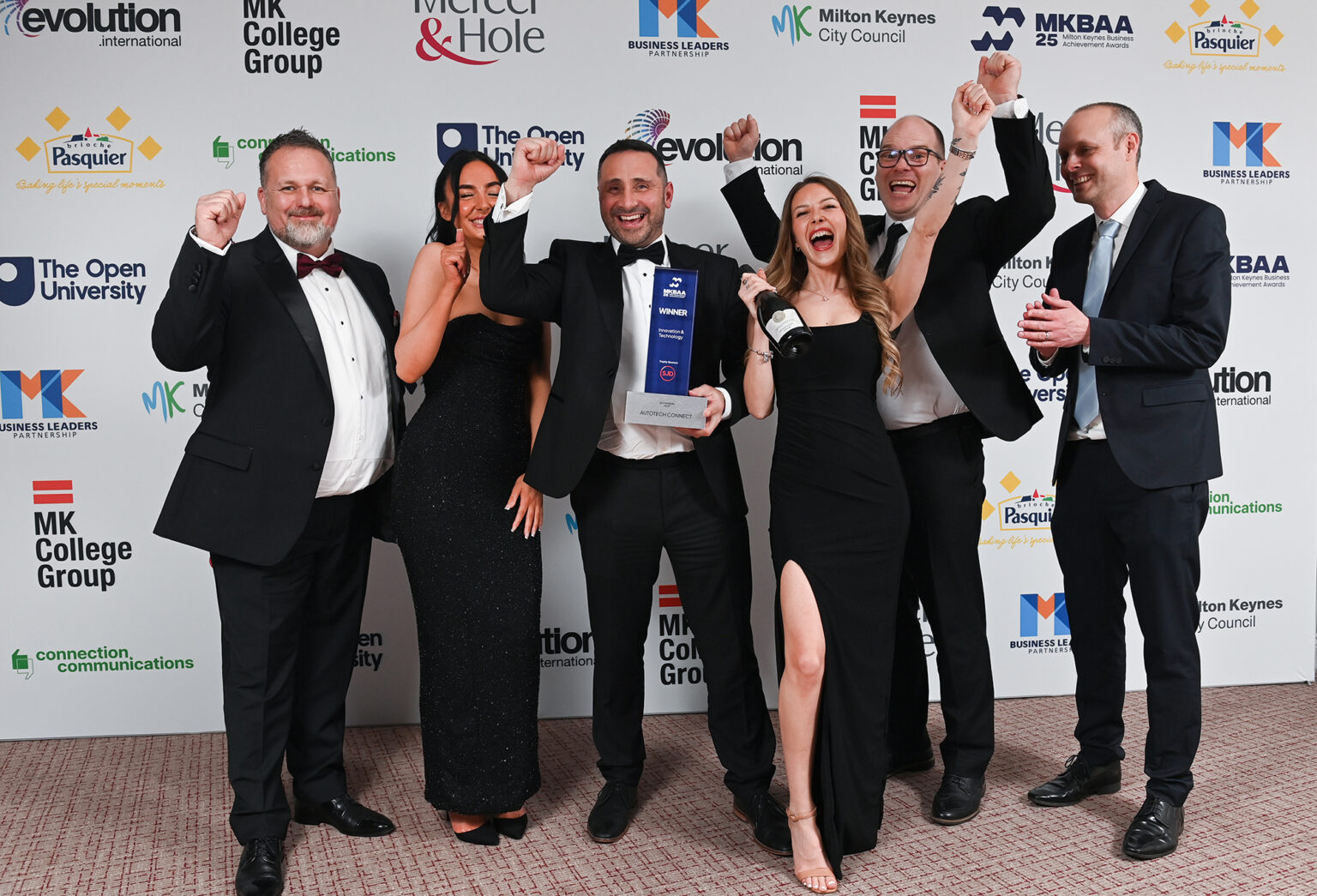
Darren: We’ve had some exciting milestones. For example, a four-month trial with Mercedes-Benz Vans at their Milton Keynes HQ saw 164 remote calls completed via AR headsets, cutting travel time and reducing VOR time by 93%. That’s a significant impact on operations and sustainability. We also won two awards, the Milton Keynes Business Achievement Award for Innovation & Technology and the RealWear Fastest Growing Partner Award. For a brand just two years in, that’s validation that we’re on the right path.
Q: What’s next for Autotech Connect?
Darren: We’re continually exploring new software solutions. The aim is to make access to information seamless and instant – think voice-activated manuals or real-time translation for non-native speakers. We’re expanding into new industries like agriculture and local government, building tailored digital pathways to suit each sector’s unique challenges and requirements.
But at the core, our mission stays the same: to equip mobility industries with the tools they need to survive and thrive in a connected, digital-first future. We’re currently working with a new sector on the development of a digital twin – a virtual representation of a physical object, process, or system that mirrors its real-world counterpart. This kind of innovation will open up huge possibilities for simulation, monitoring, and predictive analysis, enabling users to carry out complex tasks faster and view or manage operations remotely. It’s an exciting step forward, and a clear example of how digital transformation isn’t just enhancing the way we work – it’s reimagining what’s possible.


