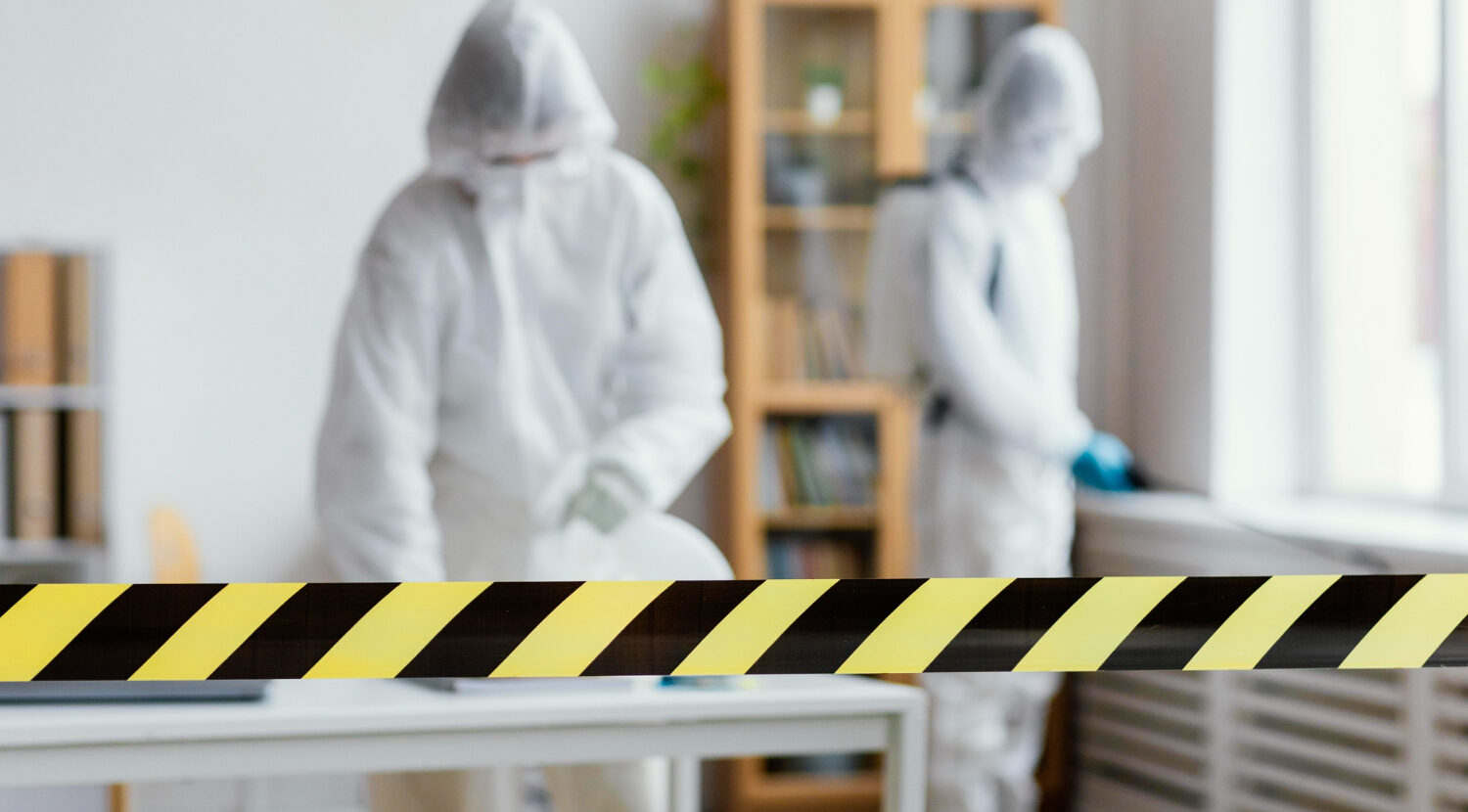
Police forces across Europe face increasing pressure to document incidents quickly and accurately, while working in fast-moving and often hazardous environments. A recent deployment of Autotech Connect’s assisted reality headsets has enabled a major European police organisation to reduce the time spent writing and compiling reports by an estimated 70%, significantly improving investigative efficiency and operational readiness.
Traditional methods rely heavily on officers manually recording notes at the scene and then spending hours transferring them into formal reports. This slows down investigative workflows, increases the likelihood of missing contextual detail and pulls officers away from frontline duties or community engagement.
Hands-free reporting powered by AR
To overcome these challenges, the police force partnered with Autotech Connect to introduce Remote Expert assisted reality headsets, built on RealWear technology. These headsets enable officers to work completely hands-free while capturing real-time observations using both voice and video.
Speech-to-text transcription software automatically converts dictated commentary into digital reports, eliminating long stretches of manual paperwork. Officers can also access operational documents and request guidance via voice commands, all while remaining fully focused on the environment around them.
Faster reporting without compromising accuracy
The impact has been transformative. By documenting scenes verbally, a process that one officer noted is 10 to 12 times faster than writing, teams are now producing richer and more accurate case records. Full sentences replace short, rushed notes, and the accompanying visual footage preserves essential context that can be reviewed at any stage of a case.
Instead of spending extended time at a desk after an incident, officers return with reports already prepared for transcription and review. This ensures more time on the ground where they are needed most.
Strengthening long-term operational capability
This technology has also demonstrated meaningful benefits in safety-critical environments such as tunnels or chemical spill areas, where reduced time on scene contributes directly to officer wellbeing and quicker reopening of public spaces.
The organisation sees the implementation as a key step in its digital transformation. As one officer explained, “We hope that it can be rolled out into the line organisation so that more people can use this type of technology within the year.” Their confidence reflects not only the clear gains already realised but also the significant potential to reshape how crime scenes and incidents are documented in the future.


