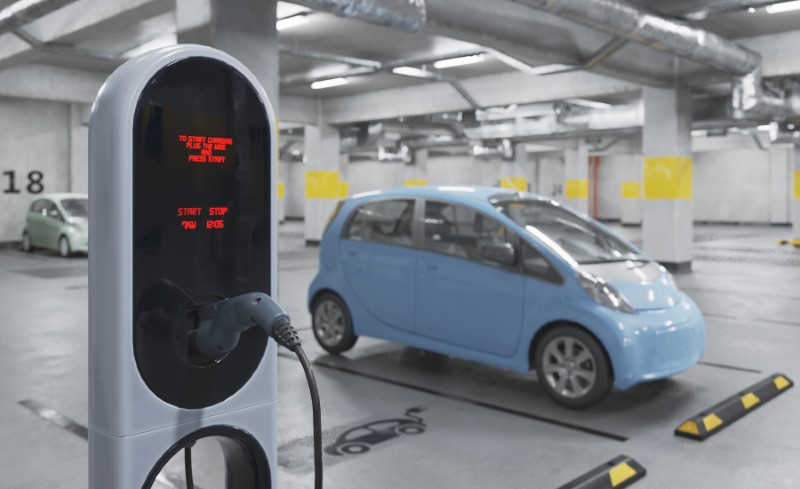
The Digital handshake: A vulnerable link
Beyond their primary function, EV charging points facilitate a crucial digital interaction, known as the ‘digital handshake’, between the vehicle and the charging point each time a car is plugged in. However, this interaction poses an often overlooked risk, creating an attack surface that malicious hackers could exploit to infiltrate a garage’s systems.
The soaring EV adoption: Unveiling the risks
As the world races to embrace the electric revolution, the number of EVs on the roads has witnessed an exponential surge. As of the end of September 2023, there were around 900,000 fully electric cars on UK roads. More than 265,000 battery-electric cars were registered in 2022, a growth of 40 per cent on 2021.
While this surge has prompted an expansion in charging infrastructure, garages and workshops, against a backdrop of an industry skills shortage, have begun to slowly prepare their facilities and staff for the EV era. Amidst this the concealed risk of cybercrime is beginning to loom large, demanding vigilant attention from garage owners and operators.
The cybersecurity challenge: Protecting the workshop
The recent history of vehicle cybersecurity highlights the vulnerability of EVs to hacking attempts. Automotive hacks increased by 225 per cent in the last five years and remote attacks accounted for 85 per cent of all breaches, according to the latest Upstream Global Automotive Cybersecurity Report.
It’s not just EVs that are at risk; even traditional internal combustion engine vehicles with digital interfaces are susceptible to cyber intrusions. Complex software systems managing various driving aspects can become targets for hackers seeking unauthorised access to sensitive information.
Potential consequences: Beyond digital invasion
In the event of a successful cyber intrusion, the consequences can be severe. Beyond compromising the EV’s performance, a breach could lead to unauthorised access to personal and financial data stored within the vehicle’s systems. Instances like the recent Tesla hacks, where hackers managed to manipulate autonomous driving features and gain control over various functions, serve as stark reminders of the vulnerability of modern vehicles.
While the hacking of EV Charging infrastructure has largely been restricted to the infiltration of charging stations to broadcast propaganda or explicit material, vigilance is needed. At the very least, understanding the vulnerabilities in a garage’s connected systems and Wi-Fi networks is vital as the compromising of an EV charging point could, alongside exposing customer data, shut down the power of an entire business.
Protecting the future: Preparing for the inevitable
While the possibility of cyberattacks cannot be entirely eliminated, there are proactive measures that independent garages and workshops can adopt to shield themselves. From implementing robust firewall systems to staying updated on the latest security protocols, maintaining a vigilant stance against potential cyber threats is crucial in safeguarding both customer data and workshop operations.
Empowering garages: Building cyber resilience
As garages gear up to embrace the EV revolution, it’s imperative to not only focus on the physical aspects of charging infrastructure but also to prioritise cybersecurity preparedness. Investing in the right training for staff, implementing new technology and establishing stringent protocols for data protection can go a long way in fortifying the workshop’s resilience against cyber threats.


